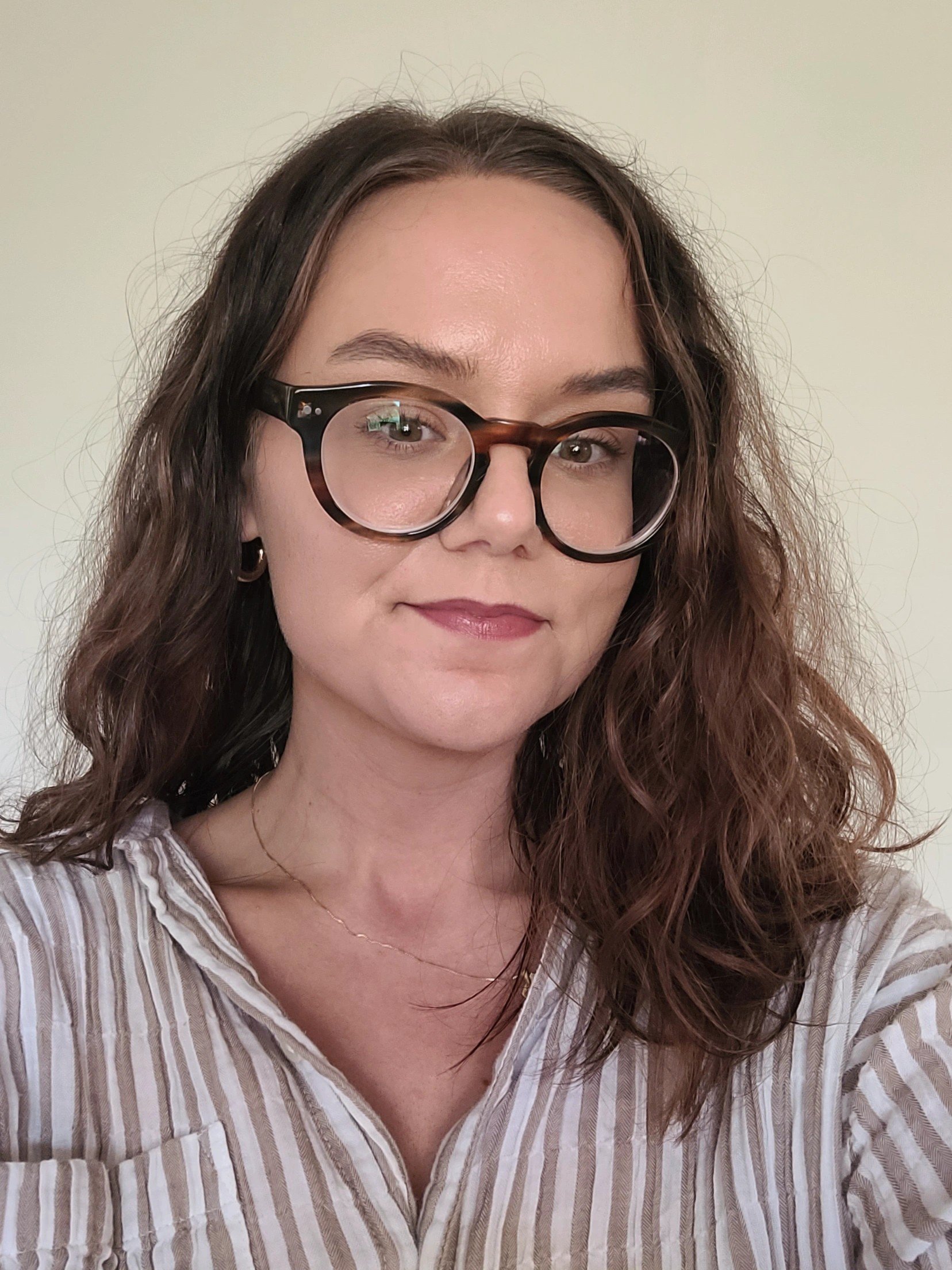
Hello, i’m rachel
I’ve always wondered why people are the way they are. I truly enjoy getting to know people on a deep, authentic, and meaningful level. My favorite part of my job is the experience of being with another person and witnessing them as they are, as we work to understand something about them, together.
I learn something new with every patient I see. The story you share with me is not something I take lightly, and being trusted with stories is a privilege. It takes time for people to feel comfortable enough to share themselves in this way, and that hesitancy is not separate from the work we’re doing, that is the work we’re doing.
I hope to provide a space in which people are able to show up authentically, little by little, and then take that freedom into their relationships with others. Being truly seen and accepted changes something.
It changes everything.
about
education
Psychoanalytic Psychotherapy Fellowship (Michigan Psychoanalytic Institute, 2025)
Master of Science in Clinical Health Psychology (University of Michigan - Dearborn)
Bachelor of Arts in Psychology, Philosophy Minor (University of Michigan - Dearborn)
types of psychotherapy
I primarily practice from a Psychodynamic psychotherapy perspective. However, I consider myself an “integrationist” or what other professionals may call “eclectic”. I draw from Cognitive Behavioral Therapy (CBT), Acceptance and Commitment Therapy (ACT), Humanistic psychotherapy, Attachment-based psychotherapy, and Exposure and Response Prevention (ERP) in treatment.
What therapy may look like
Depending on what you are coming in for help for, treatment looks different for everybody.
“Fit” or how well our individual personalities mesh together is the most important part of treatment. (Yes - even more important than specific kinds of therapy. Research has shown this!)
The first appointment is about us getting to know each other. I learn about you and what you’re looking to get help for, and you learn about me and how I would approach your specific circumstance.
I consider our work collaborative, and if you find that the initial treatment plan is not helping as much as you would have hoped, I am always eager to hear feedback and adjust accordingly.
Afterall, I may be somewhat of an “expert” on mental health (or so the letters after my name may make it seem like). But you are the expert on you.